Article Summary
Decorative sheet metal panels have become one of the fastest-growing materials in architectural and interior design. Among the available options, decorative aluminum sheet metal panels stand out for their lightweight structure, excellent corrosion resistance, design flexibility, and competitive cost. Compared with stainless steel, brass, or copper, aluminum panels provide similar durability while significantly reducing material weight and project expenses. This guide explains what decorative sheet metal panels are, how they are manufactured, where they are used, and how to choose the right solution for commercial and architectural projects.
What Are Decorative Sheet Metal Panels?
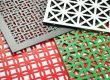
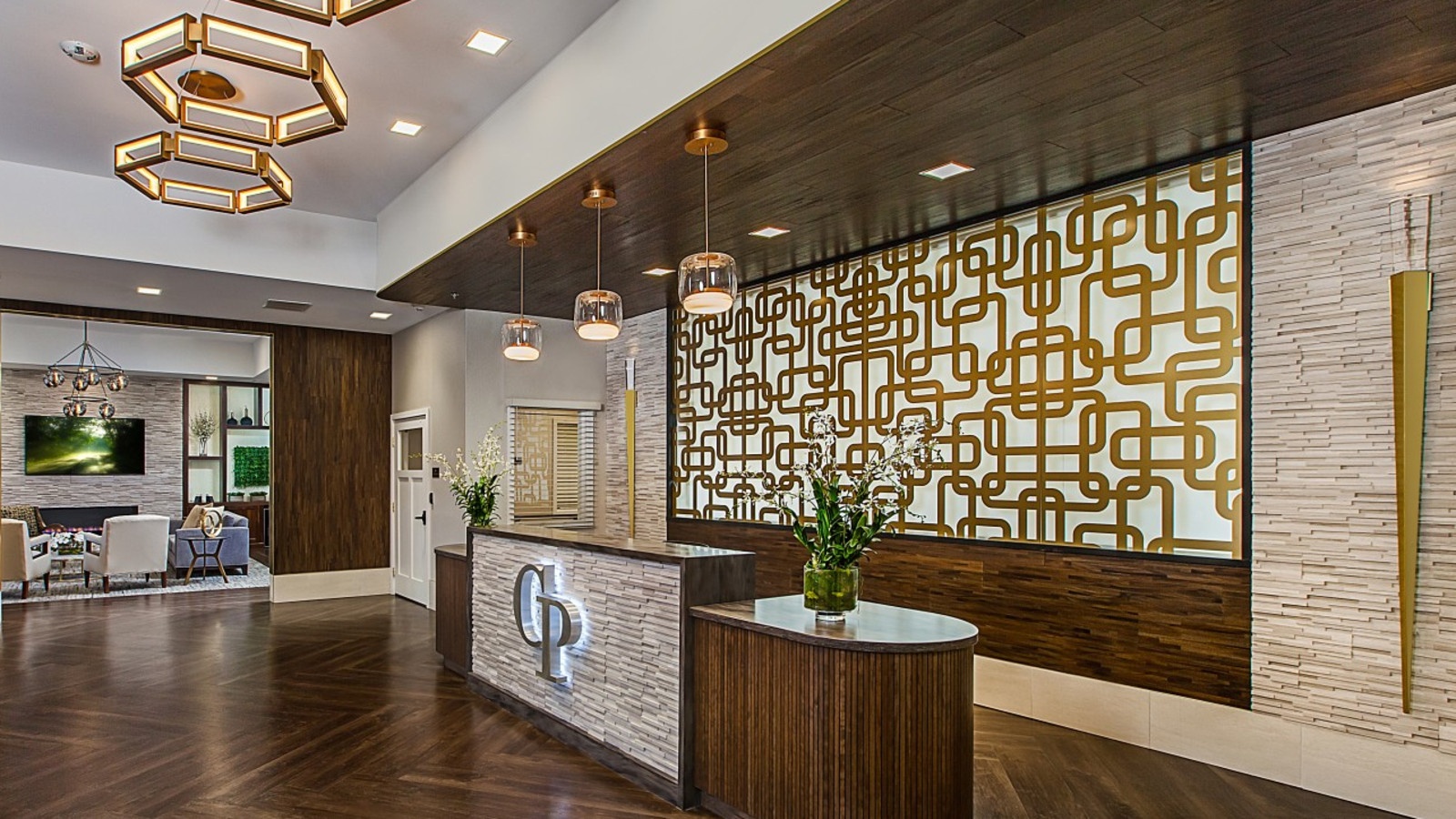
Decorative sheet metal panels are flat metal sheets processed into decorative patterns through punching, laser cutting, expanding, etching, or other fabrication methods. Unlike ordinary solid metal sheets, decorative panels combine structural performance with architectural aesthetics by introducing carefully designed openings that improve ventilation, daylight transmission, and visual appeal.
Although decorative panels can be manufactured from stainless steel, galvanized steel, brass, or copper, aluminum decorative sheet metal has become one of the most popular choices because it offers an excellent balance between weight, corrosion resistance, fabrication flexibility, and cost.
Today’s architects use decorative sheet metal panels not only as finishing materials but also as functional architectural components that enhance building performance while creating distinctive visual identities.
Why Aluminum Decorative Sheet Metal Is Growing in Popularity
Modern construction projects increasingly prioritize lightweight materials that reduce structural loads without sacrificing durability or appearance. Decorative aluminum sheet metal perfectly addresses these requirements.
Compared with traditional steel panels, aluminum weighs only about one-third as much, making transportation, handling, and installation considerably easier. Despite its light weight, aluminum naturally forms a protective oxide layer that provides excellent corrosion resistance, making it suitable for both indoor and outdoor applications.
Another important advantage is cost efficiency. While stainless steel offers outstanding strength, aluminum often delivers sufficient structural performance at a significantly lower overall project cost. This makes decorative aluminum panels especially attractive for large commercial buildings where hundreds or even thousands of square meters of cladding may be required.
The excellent formability of aluminum also enables manufacturers to produce highly customized decorative designs without compromising manufacturing efficiency.
Manufacturing Methods of Decorative Sheet Metal Panels
Different manufacturing processes create unique appearances and functional characteristics. Selecting the appropriate production method depends on the architectural style, structural requirements, and project budget.
Perforated Decorative Panels
Perforated panels are manufactured by punching holes into flat aluminum sheets using precision CNC punching machines.
Common hole patterns include:
- Round holes
- Square holes
- Slotted holes
- Hexagonal holes
- Decorative geometric patterns
Perforated panels are widely used where controlled airflow, acoustic performance, or modern architectural aesthetics are required.
Laser-Cut Decorative Panels
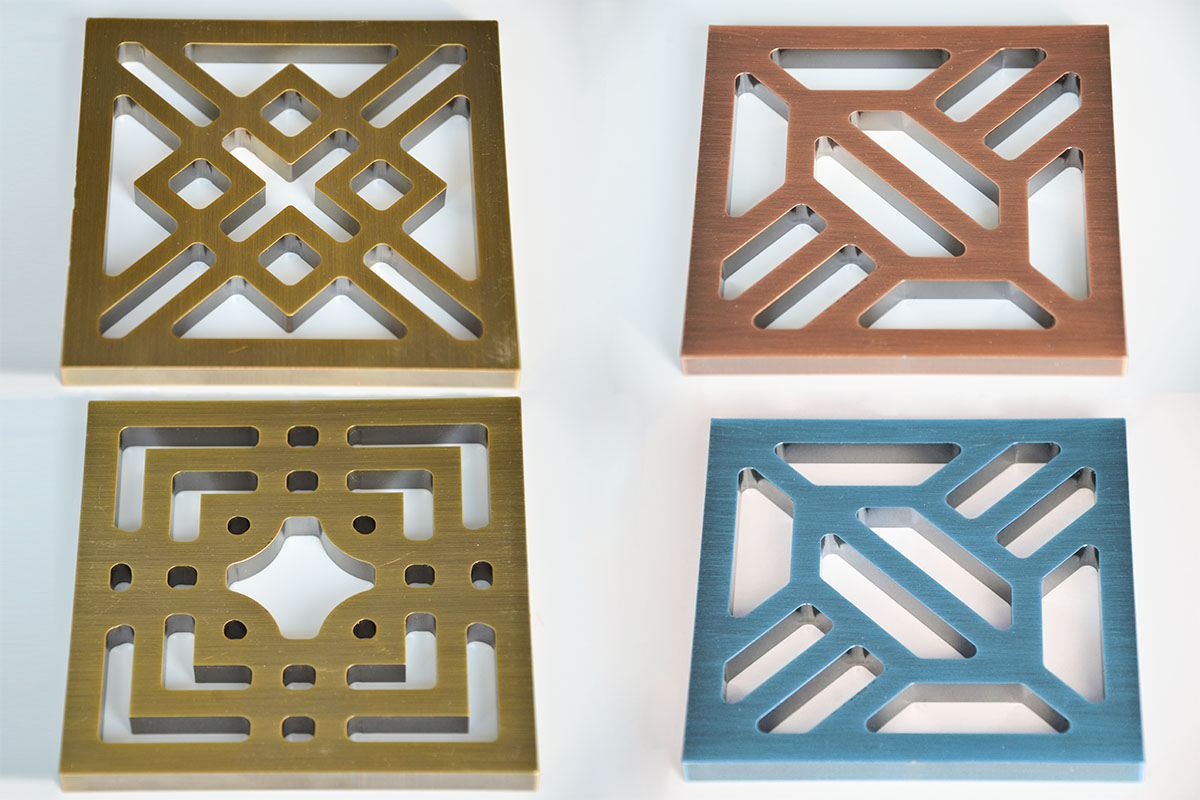
Laser cutting offers virtually unlimited design freedom.
Using CNC laser equipment, manufacturers can create:
- Floral patterns
- Abstract geometric designs
- Company logos
- Cultural motifs
- Artistic architectural graphics
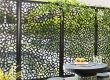
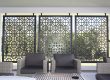
Laser-cut aluminum panels are frequently specified for hotels, shopping malls, museums, luxury residences, and commercial buildings where visual impact is a design priority.
Expanded Metal Panels
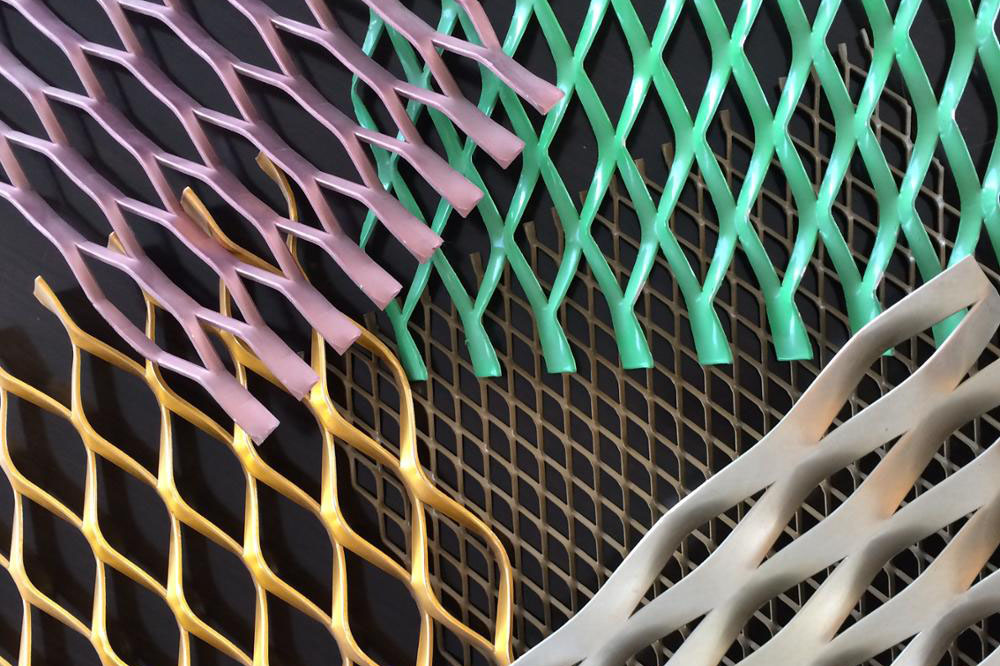
Expanded metal panels are produced by simultaneously slitting and stretching aluminum sheets into diamond-shaped openings without generating material waste.
Compared with perforated panels, expanded metal provides:
- Higher strength-to-weight ratio
- Excellent ventilation
- Improved slip resistance
- Lower material consumption
Expanded aluminum panels are commonly installed on building façades, sunshade systems, walkways, and industrial architecture.
Etched Decorative Panels
Chemical etching produces highly detailed decorative textures that are difficult to achieve through conventional punching.
Although less common than perforated or laser-cut panels, etched aluminum sheets are widely used for premium interior decoration and artistic architectural installations.
Key Advantages of Decorative Aluminum Sheet Metal Panels
Lightweight Construction
Weight reduction is one of aluminum’s greatest engineering advantages.
Because aluminum weighs approximately 65% less than steel, buildings require less structural support, installation becomes easier, and transportation costs decrease significantly.
For large façade projects, these savings can be substantial.
Excellent Corrosion Resistance
Unlike untreated carbon steel, aluminum naturally develops an oxide film that protects the material from atmospheric corrosion.
This makes decorative aluminum sheet metal particularly suitable for:
- Coastal projects
- Humid environments
- Outdoor façades
- Commercial architecture
- Public infrastructure
With proper surface treatment, aluminum panels can maintain their appearance for decades with minimal maintenance.
Outstanding Design Flexibility
Architects value aluminum because it can be fabricated into almost any decorative pattern.
Popular customization options include:
- Hole size
- Hole shape
- Open area
- Panel dimensions
- Surface finish
- Custom laser graphics
This flexibility allows designers to create completely unique architectural façades and interior feature walls while maintaining consistent manufacturing quality.
Wide Range of Surface Finishes
Decorative aluminum sheet metal can be finished in virtually any architectural color.
Common surface treatments include:
- Powder coating
- PVDF coating
- Anodizing
- Spray painting
- Wood grain finish
- Stone texture coating
Standard colors include white, black, silver, gray, bronze, champagne, gold, blue, green, and any custom RAL color required by the project.
These finishes not only improve appearance but also enhance weather resistance and long-term durability.
Sustainable and Recyclable Material
Aluminum is one of the world’s most recyclable construction materials.
Recycling aluminum requires only a fraction of the energy needed to produce primary aluminum, making decorative aluminum panels an environmentally responsible choice for sustainable building projects seeking green certifications.
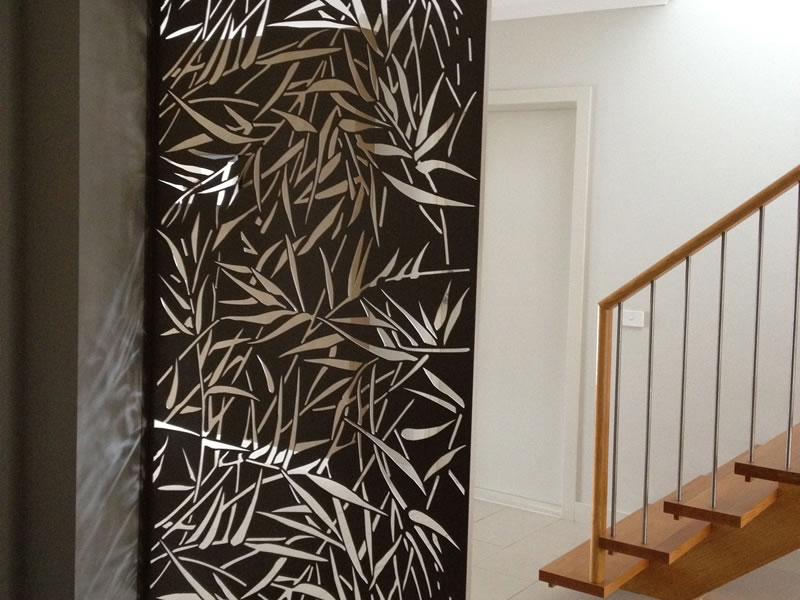
Common Applications of Decorative Sheet Metal Panels
Decorative aluminum panels have become an important element in both commercial and residential architecture.
They are widely used for:
- Building façade cladding
- Curtain wall decoration
- Interior wall panels
- Privacy screens
- Space partitions
- Ceiling systems
- Balcony infill panels
- Sunshade screens
- Restaurant decoration
- Hotel lobbies
- Office interiors
- Retail stores
- Exhibition centers
- Public transportation facilities
Because decorative aluminum panels combine aesthetics with functional performance, they continue to replace traditional decorative materials across a growing range of architectural applications.
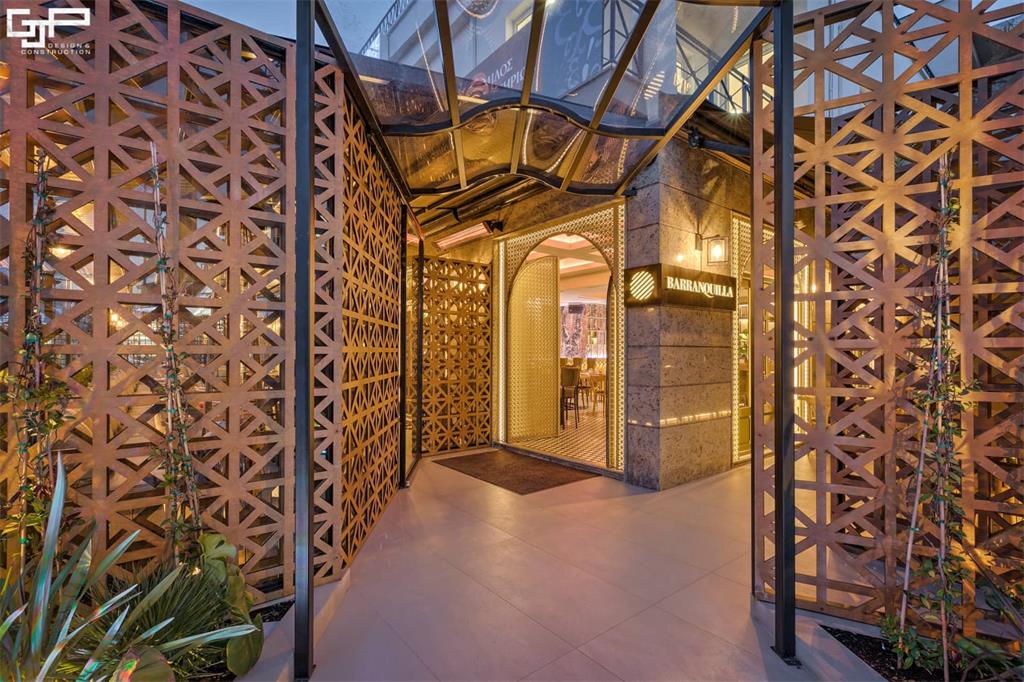
How to Choose the Right Decorative Sheet Metal Panels
Selecting the right decorative sheet metal panels depends on more than appearance. For architects, fabricators, and project owners, the following factors have the greatest impact on performance and long-term value.
Choose the Right Material
Aluminum is the preferred choice for most architectural decoration because it combines lightweight construction with excellent corrosion resistance and easy fabrication.
- Aluminum: Lightweight, corrosion-resistant, economical, ideal for façades, ceilings, and partitions.
- Stainless Steel: Higher strength and premium appearance for luxury or high-traffic projects.
- Brass & Copper: Decorative materials for high-end interiors requiring a distinctive metallic finish.
For large commercial projects, aluminum often provides the best balance between aesthetics, performance, and budget.
Select the Appropriate Manufacturing Method
Different fabrication methods create different visual effects.
- Perforated panels — Modern appearance with excellent ventilation and acoustic performance.
- Laser-cut panels — Unlimited decorative patterns for premium architectural designs.
- Expanded metal — Strong, lightweight, and ideal for façades and sunshades.
- Etched panels — Fine artistic textures for luxury interiors.
The manufacturing method should match both the design concept and the functional requirements of the project.
Consider Surface Finish
Surface treatment affects durability as well as appearance.
Popular finishes include:
- Powder Coating
- PVDF Coating
- Anodized Finish
- Wood Grain Finish
- Stone Texture Finish
- Custom RAL Colors
Proper surface treatment extends service life while allowing designers to match virtually any architectural style.
Recommended Decorative Aluminum Sheet Metal
If your project requires lightweight, durable, and customizable decorative panels, HIGHTOP supplies a complete range of decorative aluminum sheet metal solutions.
Our products feature:
- Various perforated and laser-cut patterns
- Custom panel sizes and thicknesses
- Powder coating, anodizing, and PVDF finishes
- Multiple architectural colors
- Fabrication according to drawings
Learn more about our product:
Decorative Aluminum Sheet Metal
https://www.aluminummeshscreen.com/product/decorative-aluminum-sheet-metal/
Whether you’re designing an office façade, hotel lobby, shopping mall, restaurant, or residential project, our engineering team can recommend the most suitable decorative panel solution.
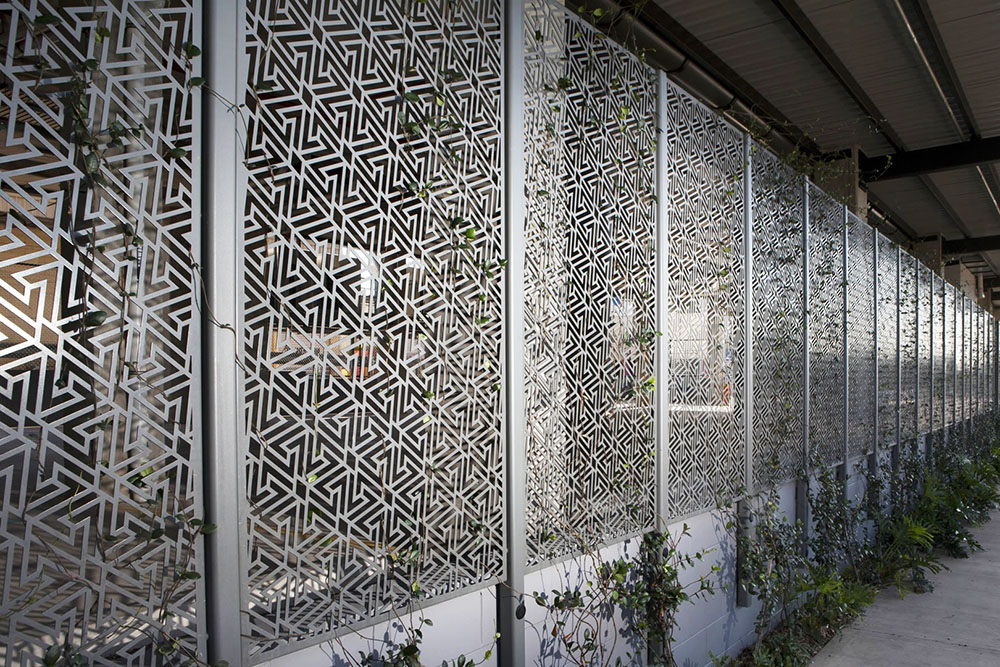
Why Choose HIGHTOP?
As an experienced architectural metal mesh manufacturer, HIGHTOP supplies decorative sheet metal panels to distributors, architects, contractors, and fabrication companies worldwide.
Our advantages include:
- ISO 9001 certified manufacturing
- Wide range of decorative panel solutions
- Professional customization services
- Stable production capacity
- Strict quality inspection
- Global export experience
From prototype development to large-scale production, we help customers achieve consistent quality and reliable delivery.
Before Requesting a Quotation
To receive accurate recommendations and pricing, prepare the following information:
- Project application
- Indoor or outdoor installation
- Preferred material
- Decorative pattern
- Surface finish
- Panel dimensions
- Quantity
- Drawings or reference images (if available)
Providing complete project details enables faster engineering support and more efficient production planning.
Frequently Asked Questions
What are decorative sheet metal panels?
Decorative sheet metal panels are metal sheets processed by perforating, laser cutting, expanding, or etching to create attractive architectural patterns. They combine decorative appearance with ventilation, light transmission, and structural performance.
Why are aluminum decorative panels so popular?
Aluminum offers excellent corrosion resistance, weighs only about one-third as much as steel, is easy to fabricate, and costs less than stainless steel, brass, or copper, making it ideal for large architectural projects.
Can decorative sheet metal panels be customized?
Yes. Panel dimensions, hole patterns, surface finishes, colors, thicknesses, and fabrication details can all be customized according to project drawings.
Are decorative aluminum panels suitable for outdoor applications?
Yes. With proper powder coating, anodizing, or PVDF treatment, aluminum decorative panels perform exceptionally well in outdoor environments and require very little maintenance.
What applications are decorative sheet metal panels used for?
Common applications include:
- Building façades
- Wall cladding
- Privacy screens
- Space dividers
- Suspended ceilings
- Balcony panels
- Restaurants
- Hotels
- Offices
- Shopping malls
How do I choose the right decorative panel?
The best choice depends on the project location, required durability, desired visual effect, budget, and installation method. An experienced manufacturer can recommend the most suitable material and fabrication process based on your project requirements.
Get in Touch
Please fill out the form below to contact us whether you have questions or request for a quote, we will get back to you as soon as possible